

DMCA Takedowns for E-commerce: Removing Fake Product Listings
The rapid growth of e-commerce has opened new opportunities for businesses to reach global customers. However, it has also created a major challenge for brands and sellers—fake product listings and stolen content. Competitors and counterfeit sellers often copy product images, descriptions, and brand materials to create misleading listings on marketplaces and websites.
Fortunately, businesses can use the Digital Millennium Copyright Act (DMCA) to remove infringing content quickly and protect their intellectual property.
In this guide, we explain how DMCA takedowns help e-commerce businesses remove fake product listings and protect their brand online.
The Growing Problem of Fake Product Listings
Fake product listings have become a widespread issue across e-commerce platforms and independent websites. These listings often use:
- Stolen product images
- Copied product descriptions
- Unauthorized brand logos
- Replicated website content
Such listings can mislead customers, damage brand reputation, and divert sales away from legitimate sellers. In many cases, counterfeit sellers simply copy content from a genuine e-commerce website and publish it elsewhere.
When this happens, businesses can rely on copyright protection and DMCA takedown procedures to remove infringing content.
What Is a DMCA Takedown?
A DMCA takedown notice is a legal request used to remove copyrighted content that has been published without permission.
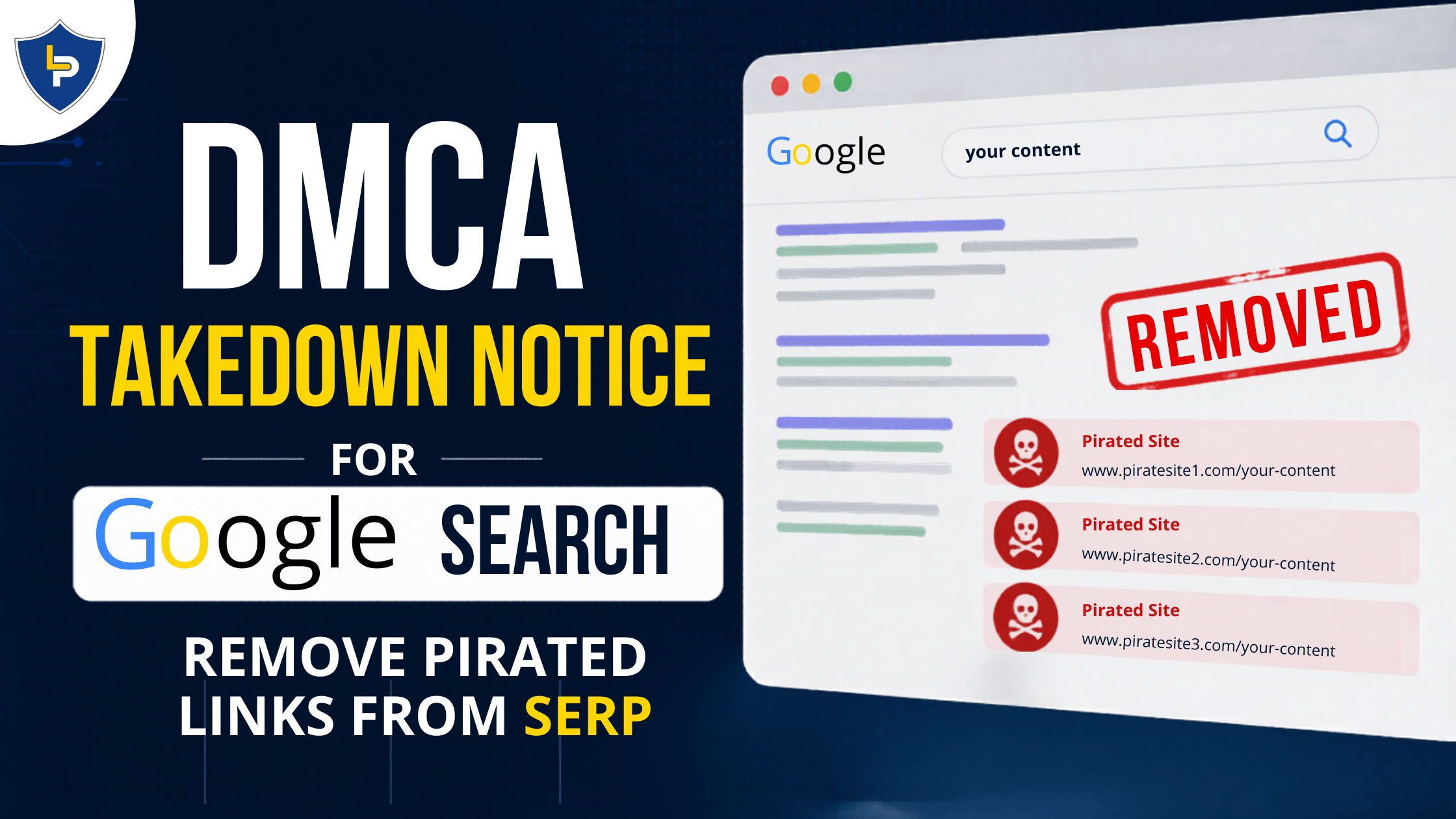
Under the Digital Millennium Copyright Act, copyright owners can notify online service providers—such as hosting companies, marketplaces, and search engines—about infringing content. Once a valid notice is received, the platform typically removes or disables access to the content.
For e-commerce brands, this process is particularly useful for removing:
- Fake product listings
- Stolen product photos
- Copied website content
- Unauthorized use of marketing images
Common Types of E-commerce Content Theft
1. Stolen Product Images
Product photos are one of the most commonly copied assets in e-commerce. Sellers often download images from legitimate stores and use them to promote counterfeit products.
2. Copied Product Descriptions
Many fake listings copy entire product descriptions, specifications, and marketing text directly from original sellers.
3. Fake Online Stores
Some infringers go a step further by creating entire websites that replicate legitimate e-commerce stores.
4. Marketplace Content Duplication
Unauthorized sellers frequently copy listings on major marketplaces, creating duplicate or misleading product pages.
In all these situations, a DMCA takedown notice can help remove the infringing content.
How DMCA Takedowns Work for E-commerce
The process typically involves several steps:
1. Identify the Infringing Listing
The first step is to locate the fake listing or copied content. This may appear on:
- Marketplace platforms
- Independent websites
- Social media shops
- Search engine results
2. Gather Evidence
Document the infringement by collecting:
- URLs of the infringing pages
- Screenshots of copied content
- Links to the original product listing
3. Submit a DMCA Notice
A formal takedown notice is sent to the relevant platform, hosting provider, or search engine requesting removal of the infringing content.
4. Content Removal
If the request is valid, the platform typically removes or disables access to the infringing listing.
Benefits of DMCA Takedowns for E-commerce Brands
Using DMCA takedowns offers several advantages:
✔ Protects original product images and descriptions
✔ Removes misleading listings quickly
✔ Prevents brand reputation damage
✔ Reduces customer confusion
✔ Helps recover lost sales
For growing e-commerce businesses, proactive copyright enforcement is essential for maintaining brand trust.
Preventing Future Content Theft
While DMCA takedowns are effective, prevention strategies can further protect your e-commerce assets.
Consider implementing the following measures:
- Add watermarks to product images
- Use unique product descriptions
- Monitor the web for copied content
- Register copyrights for original materials
- Use professional copyright monitoring services
These steps can help identify infringement early and reduce the risk of widespread content theft.
Final Thoughts
Fake product listings can significantly impact e-commerce businesses by harming brand reputation and diverting potential customers. By leveraging the Digital Millennium Copyright Act, businesses can take swift action to remove stolen content and protect their online presence.
A well-executed DMCA takedown strategy helps ensure that your product images, descriptions, and creative assets remain protected across the digital marketplace.
If your brand is facing online content theft, taking prompt legal action can make a crucial difference in maintaining control over your intellectual property.



 +1 888 890 6411