

Ecommerce Sellers & Copyright: Avoiding Infringement When Selling Branded Products
In the rapidly expanding world of ecommerce, sellers face tremendous opportunities—and significant legal risks. Among these, copyright infringement is one of the most pressing concerns for online retailers selling branded products.
Selling items without proper authorization or violating intellectual property rights can lead to costly legal disputes, account suspension, or permanent bans on platforms. Understanding copyright laws and implementing protective measures is essential for safeguarding your business and reputation.
Understanding Copyright and Its Implications
Copyright is a form of intellectual property that protects original works such as text, images, logos, software, and other creative content. For ecommerce sellers, this protection extends to product designs, images, branding, and marketing materials. Selling branded products without permission or using copyrighted content without authorization can be considered copyright infringement, potentially leading to legal action from rights holders.
It’s important to note that even listing images or descriptions copied from a brand’s website may constitute infringement. The risk is not limited to physical products—digital content, like downloadable templates, images, and music, is equally protected under copyright law.
Common Copyright Risks for Ecommerce Sellers
- Unauthorized Use of Brand Logos and Images: Using a company’s logo or product images without consent can trigger copyright claims.
- Selling Counterfeit Products: Offering fake or imitation branded goods is not just copyright infringement—it’s also trademark infringement and can result in criminal penalties.
- Copying Product Descriptions: Many sellers underestimate the risk of copying product descriptions from official brand websites. Even this can be a copyright violation.
- Digital Content Violations: Selling products that include copyrighted software, music, or videos without a license can expose sellers to legal action.
How to Avoid Copyright Infringement
To protect your ecommerce business and avoid legal pitfalls, sellers should adopt the following best practices:
- Obtain Licenses or Permissions: Ensure you have authorization to sell branded products or use copyrighted images. Many brands offer official reseller programs with licensing agreements.
- Create Original Content: Avoid copying product descriptions, images, or promotional materials. Invest in professional photography, unique descriptions, and branding that reflect your own identity.
- Implement Copyright Protection Measures: Use watermarks on your images, track unauthorized use, and maintain documentation proving your ownership of content.
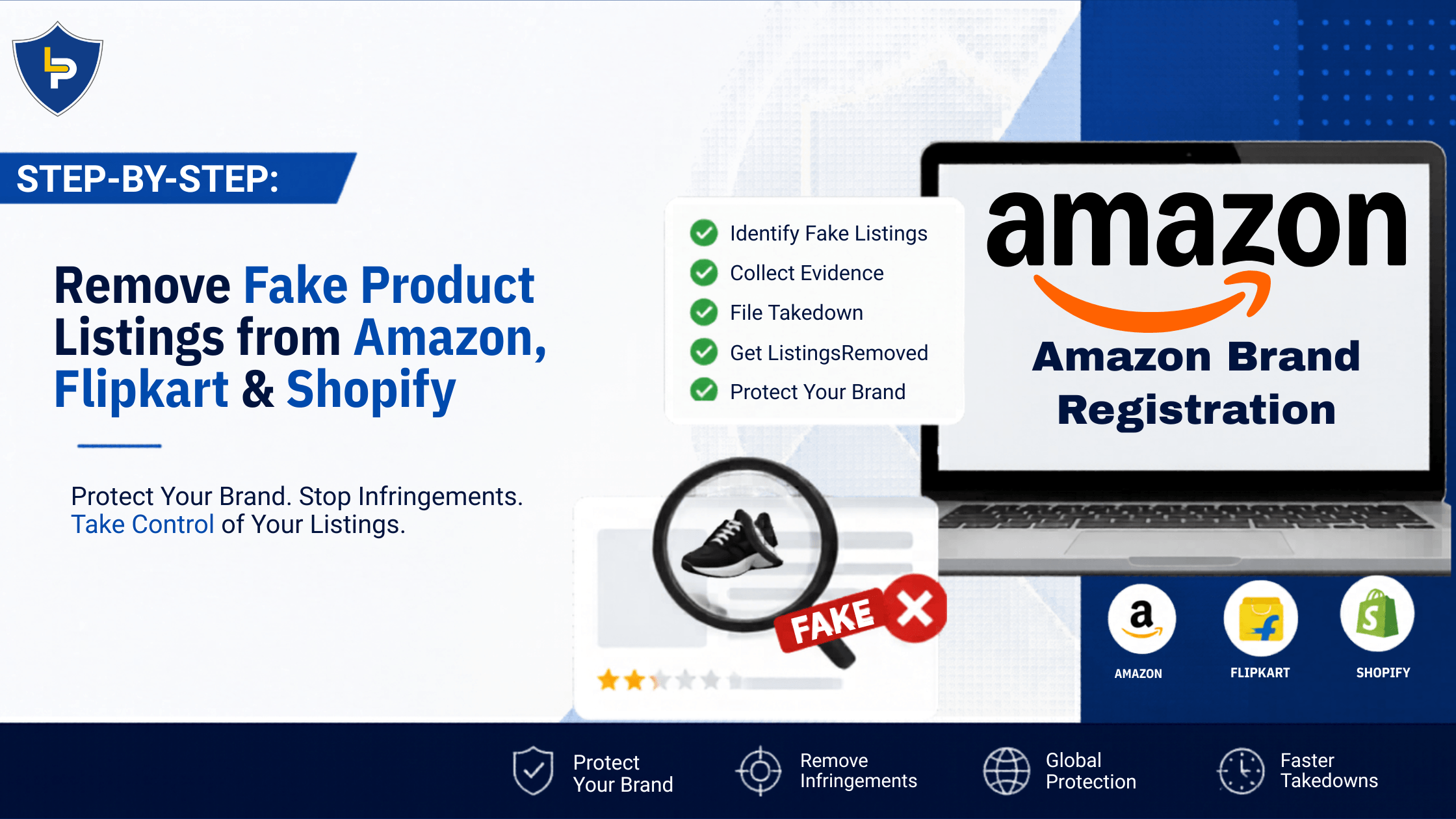
- Monitor and Respond to Infringement: Platforms like Amazon, eBay, and Etsy provide mechanisms to report infringement. Conversely, be ready to respond if your listings are challenged.
- Educate Your Team: Ensure everyone involved in product listing, marketing, and content creation understands copyright rules and best practices.
Using a DMCA Takedown Notice
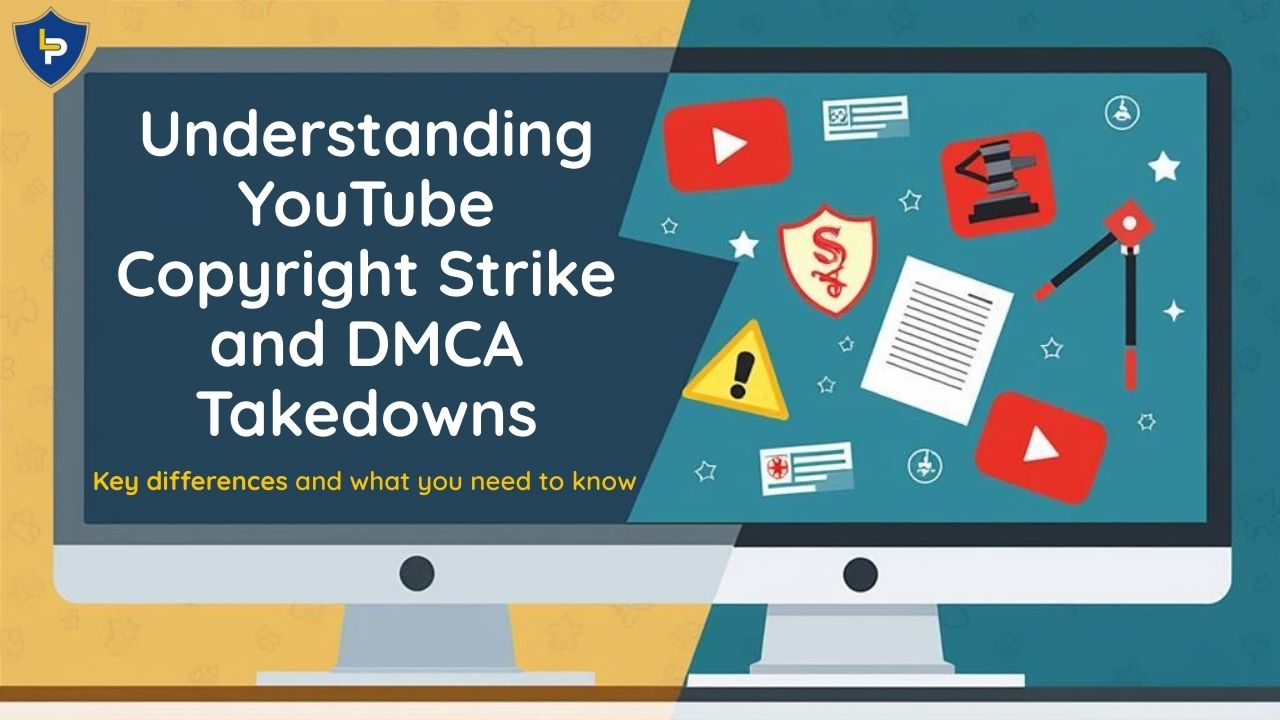
The Digital Millennium Copyright Act (DMCA) provides a legal framework to address copyright violations online. If your content is stolen or misused, you can issue a DMCA takedown notice to the offending party or platform to request removal. Likewise, ecommerce sellers should be familiar with receiving DMCA claims if a rights holder believes you are infringing on their content. Prompt response to such notices is crucial to avoid account suspension or legal complications.
Brand Infringement vs. Copyright Infringement
While often confused, brand infringement and copyright infringement are distinct:
- Copyright infringement protects original creative works like images, videos, and written content.
- Brand (trademark) infringement protects logos, brand names, slogans, and distinctive marks that identify the source of products.
Ecommerce sellers need to be vigilant about both, as infringing on either can lead to legal and financial repercussions.
Steps to Minimize Legal Risks
- Vet Your Suppliers: Verify that your suppliers are authorized to distribute branded products. Avoid gray market or unlicensed sources.
- Register Your Own Intellectual Property: If you create original designs, logos, or content, consider trademark or copyright registration to strengthen your legal position.
- Maintain Documentation: Keep records of purchase orders, licensing agreements, and communication with brands to defend your business in case of disputes.
- Seek Legal Guidance: Consulting with an IP attorney can help you navigate copyright rules, draft licenses, and respond to DMCA notices effectively.
Conclusion
For ecommerce sellers, copyright infringement is a serious concern that requires proactive management. Selling branded products without proper authorization can result in legal disputes, financial loss, and damage to your business reputation.
By understanding copyright laws, creating original content, securing licenses, and responding appropriately to DMCA takedown notices, sellers can protect their online business while maintaining compliance with intellectual property regulations. Taking these steps ensures a sustainable and legally safe ecommerce operation.



 +1 888 890 6411